











Escape rooms and platform adventures
In escape room games, a scene can hide an object, a combination or a relationship between two clues. Look for the thing stopping you from leaving and work backward from it. A platform adventure puts the exit in reach once you’ve found the right route, timing or keys.
If you like reading a scene for clues, point-and-click adventures let you choose where to look next. The platform games make that choice about movement instead. Some levels reward going back for a key before you reach the exit.
Two ways to move a story forward
| Game | How the next area opens |
|---|---|
| 100 Doors: Escape from Prison | Work through short locked-room puzzles, one door at a time. |
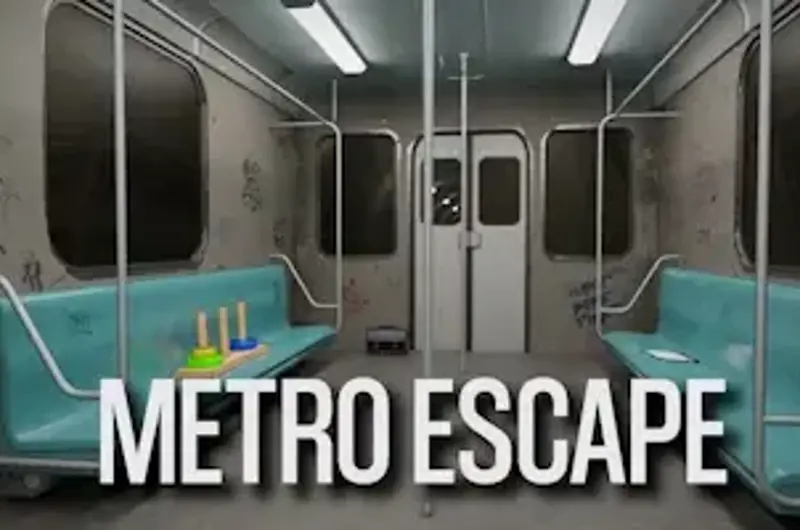
| Metro Escape | Search an underground station for clues near doors and control panels. |
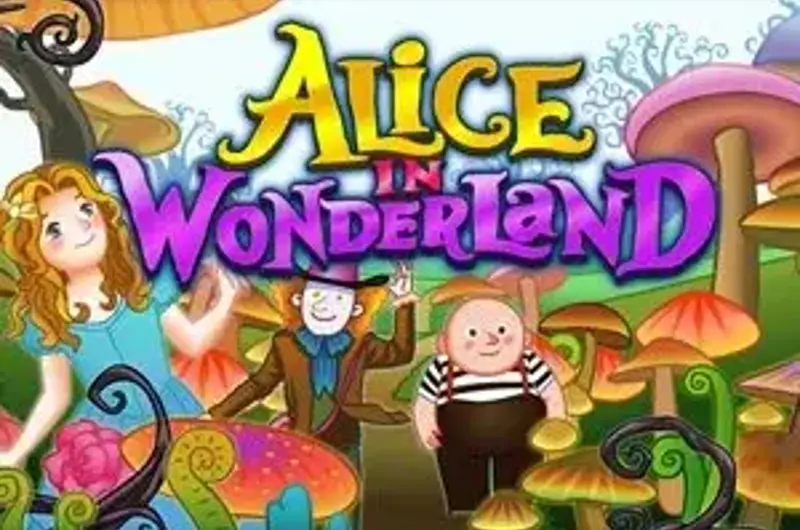
| Alice in Wonderland | Collect the keys in each platform level to unlock the way forward. |
Rooms, switches and routes worth exploring
When an adventure gets you stuck, work out which part of the screen can change. An escape room may hide its next move in a symbol. In a platform adventure, the answer may be a switch you can reach from a different level.
| Game | The clue or tool to look for |
|---|---|
| Escape Ancient Egypt | Search the stone chamber for markings that repeat. A symbol near an entrance can make sense once you find a matching mechanism. |
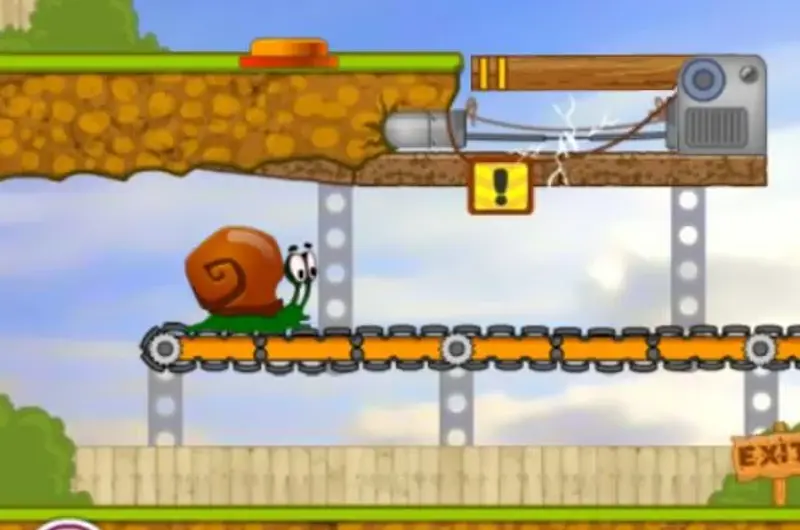
| Snail Bob 8 | Find out what each lever changes while Bob is stopped. Set up the route, then let him walk towards the exit. |
| Red Beard | Collect coloured orbs, try the switches and see what moves. A lift or platform can open a path that looked out of reach on arrival. |
Browse by tag
- Survival. Look for games where the challenge is staying in the run as conditions change.
- Horror. Explore rooms and routes where atmosphere and uncertainty are part of the challenge.
Stuck on a room or a jump?
For a room, make a quick mental list of what you can interact with before trying codes. For a jump, watch an obstacle move through a full cycle before going again. In both cases, a pause can show you why the last attempt failed without spoiling what’s ahead.